What Is Childhood vs Present AI Trend?
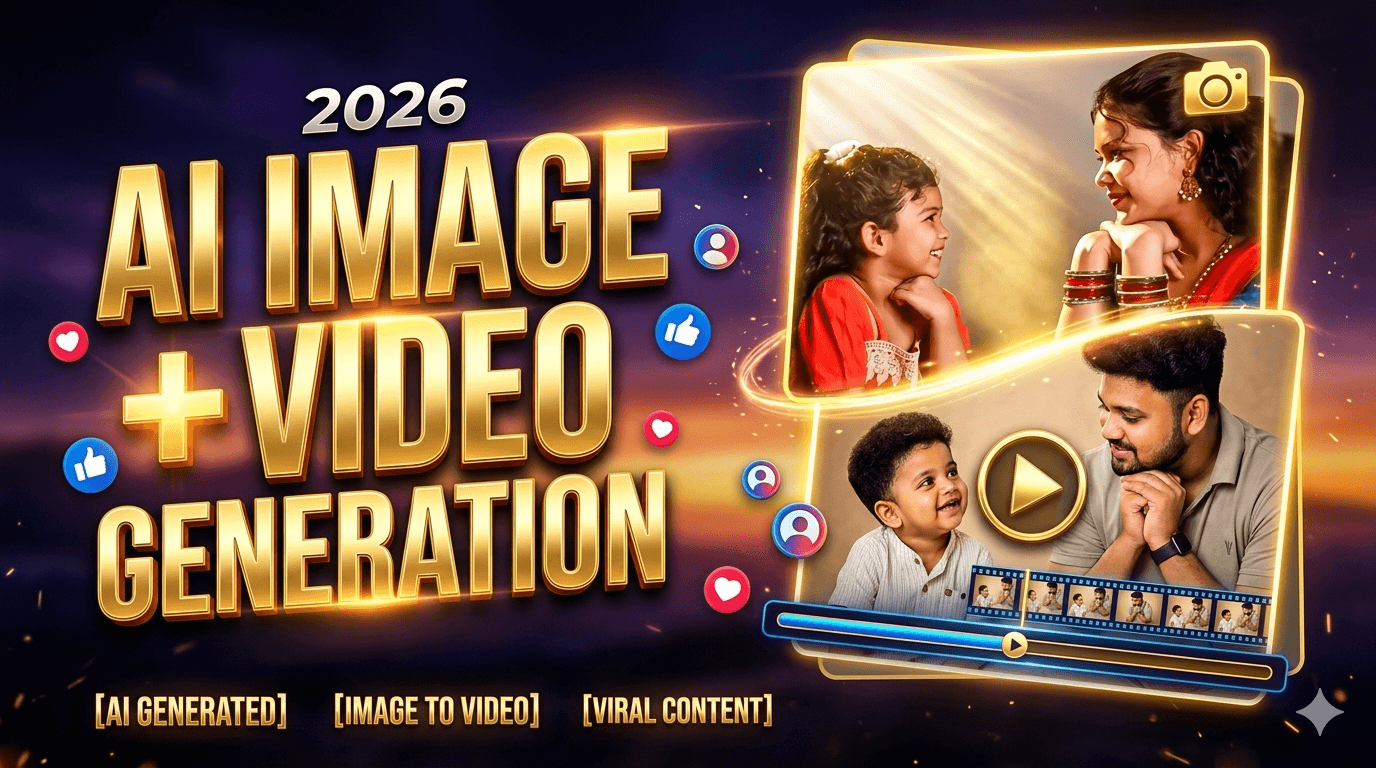
Trending Childhood vs Present Look – The childhood vs present look AI trend is one of the most emotional and visually engaging movements taking over social media in 2026. Imagine sitting next to your younger self, smiling, reflecting, or even interacting — that’s exactly what this trend brings to life. It started with simple photo edits but quickly evolved into cinematic AI-generated visuals where past and present versions of a person coexist in a single frame. According to recent reports, this trend has exploded across platforms because it allows users to “meet their younger self,” creating a deeply personal and nostalgic experience .
What makes this trend even more powerful is how AI transforms memories into storytelling. Instead of just comparing two photos, creators are now producing emotionally rich visuals that resemble movie scenes. These edits often include symbolic elements like birthday cakes, soft lighting, and black-and-white cinematic tones, making them feel authentic and relatable . It’s not just about visuals—it’s about storytelling.
Evolution of AI Photo Trends
AI photo trends have come a long way. Initially, filters and face apps dominated the scene, focusing mainly on aesthetics. But now, the shift is toward emotional storytelling and identity exploration. Users are no longer satisfied with just looking good; they want their content to mean something. This shift reflects a broader trend where AI is becoming more personal and expressive rather than just functional.
Men Image Prompt:
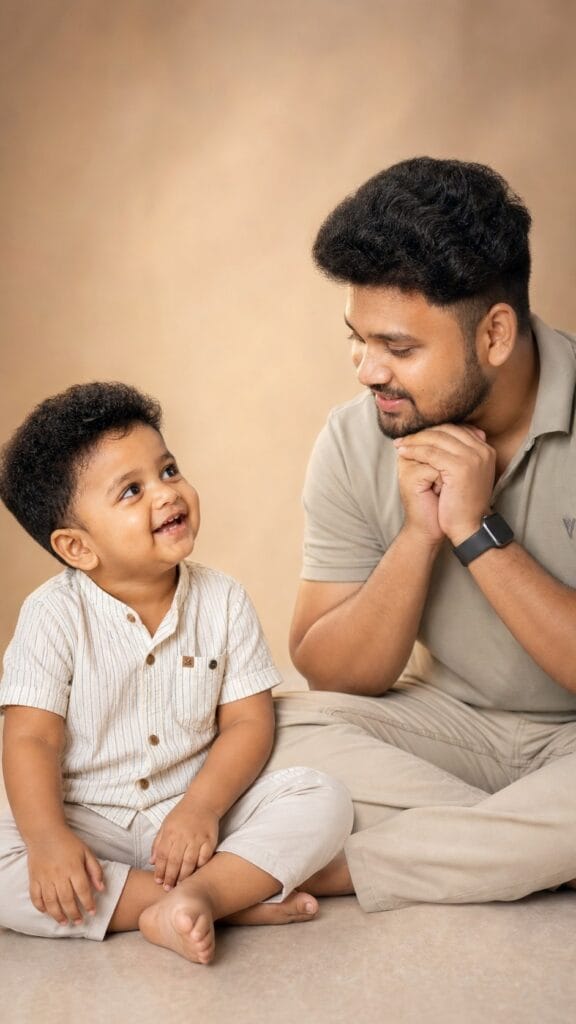
Using the images I'm going to upload to create a soft, emotional colourful image.
Let the formation be as follows:
On the left: a child version of me (from a childhood photo) looking with an innocent smile to the right.
On the right: a present version of me (from a recent photo) sits with his hands under his chin and looks at the child with a calm smile.
Studio background: plain and soft (studio background)
Lighting: soft, cinematic, warm (even in colourful image)
Sitting on the floor
Style: professional, minimal emotional photography, focusing on feelings and visual communication between the two versions.
Make the picture look very real, like a real photoshoot between the two versions.
Keep my original features without changing.
Ratio : 9:16
Girl Image Prompt
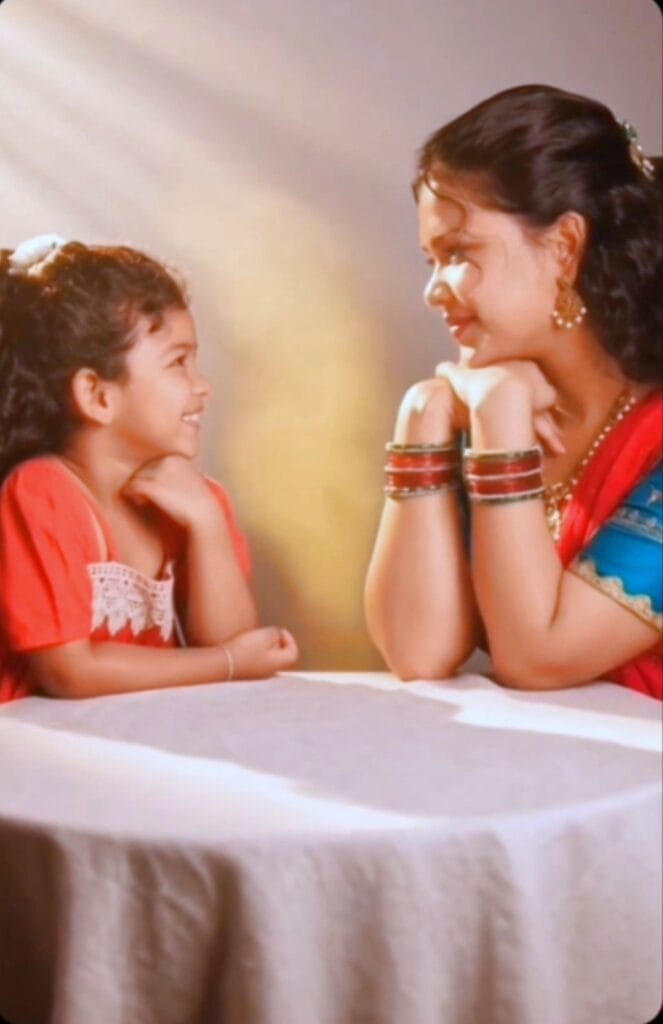
Using the images I'm going to upload to create a soft, emotional colourful image.
Let the formation be as follows:
On the left: a child version of me (from a childhood photo) looking with an innocent smile to the right.
On the right: a present version of me (from a recent photo) sits with her hands under her chin and looks at the child with a calm smile.
Studio background: plain and soft (studio background)
Lighting: soft, cinematic, warm (even in colourful image)
Sitting on the floor
Style: professional, minimal emotional photography, focusing on feelings and visual communication between the two versions.
Make the picture look very real, like a real photoshoot between the two versions.
Keep my original features without changing.
Ratio : 9:16
App Links for Video Generation Download from Below
Men Video Prompt:
Create a soft nostalgic cinematic video using the uploaded then-and-now portrait of the same boy.
Animate the child version on the left with gentle blinking, tiny hand movement, looking toward the future self.
Animate the present man on the right with subtle breathing motion, slight hair movement, warm emotional smile, hands under chin, looking lovingly at his younger Add warm vintage tones, soft beige studio background, floating dust particles, subtle film grain, dreamy light rays, and a glowing connection light between both versions.
Use slow push-in camera zoom and delicate parallax depth movement.
Keep expressions natural and heartfelt. End with both smiling at each other.
Ultra realistic, preserve original facial features, cinematic emotional storytelling, smooth motion, high detail.
Girl Video Prompt:
Create a soft nostalgic cinematic video using the uploaded then-and-now portrait of the same girl.
Animate the child version on the left with gentle blinking, tiny hand movement, looking toward the future self.
Animate the present woman on the right with subtle breathing motion, slight hair movement, warm emotional smile, hands under chin, looking lovingly at her younger Add warm vintage tones, soft beige studio background, floating dust particles, subtle film grain, dreamy light rays, and a glowing connection light between both versions.
Use slow push-in camera zoom and delicate parallax depth movement.
Keep expressions natural and heartfelt. End with both smiling at each other.
Ultra realistic, preserve original facial features, cinematic emotional storytelling, smooth motion, high detail.
From Static Images to Dynamic Videos
The real game-changer? Turning these emotional images into videos. Static images are powerful, but videos amplify engagement dramatically. By animating childhood and present photos, creators can show movement, expressions, and interactions, making the experience feel almost real. This transition marks the rise of image-to-video AI, which is now the backbone of this trend.
Why This Trend Is Going Viral in 2026
If you’ve scrolled Instagram or YouTube recently, chances are you’ve seen this trend everywhere. But why is it blowing up so fast?
Emotional Connection and Nostalgia
Humans are naturally drawn to nostalgia. Seeing your younger self triggers memories, emotions, and reflection. This trend taps into that psychological trigger perfectly. Users describe it as a “digital reflection” or even a conversation with their past self . That emotional pull makes people stop scrolling instantly.
Social Media Algorithm Boost
Let’s be real—algorithms love engagement. And this trend delivers exactly that. Videos combining past and present generate high watch time, shares, and comments. Platforms prioritize such content, pushing it to wider audiences. Combined with the dominance of short-form video in 2026, this creates the perfect storm for virality .
What Is Image-to-Video AI Technology?
At the heart of this trend lies image-to-video AI, a technology that converts static photos into dynamic video clips.
How It Works
Image-to-video AI analyzes a still image and predicts realistic motion, such as blinking, head movement, or camera shifts. Advanced models use diffusion techniques trained on millions of video-image pairs to generate natural motion. The result? A lifelike video created from a single photo .

Key Advantages Over Text-to-Video
Why not just use text-to-video AI? Because image-to-video offers:
- Better consistency (same face, same look)
- More control over visuals
- Faster results
- Higher realism
In fact, many creators now prefer starting with an image and then animating it, as it solves common issues like inconsistent characters and unpredictable scenes .
How Childhood vs Present Video Generation Works
Creating these videos may look complex, but the workflow is surprisingly simple.
Step-by-Step Workflow
- Upload your childhood photo
- Upload your present-day photo
- Generate a combined AI image
- Apply cinematic styling (lighting, tone)
- Use image-to-video AI to animate the scene
- Add motion prompts (smile, head turn, interaction)
- Export as short video
This process allows creators to build a story-driven video from just two photos.
Best Image Selection Tips
Choosing the right images can make or break your video:
- Use high-resolution photos
- Match face angles and lighting
- Avoid blurry or heavily edited images
- Keep expressions natural
The better your input, the more realistic your output will be.
Popular AI Tools for Image-to-Video Creation
In 2026, several tools dominate this space, offering powerful features for creators.
Top Tools in 2026
Some widely used tools include advanced AI models capable of producing high-quality motion and cinematic effects. These tools focus on motion stability, realism, and speed, making them ideal for social media creators .
Features Comparison Table
| Feature | Image-to-Video AI | Text-to-Video AI |
|---|---|---|
| Visual Consistency | High | Medium |
| Control | Strong | Limited |
| Realism | Very High | Variable |
| Speed | Fast | Slower |
| Best Use Case | Portrait animation | Scene creation |
Creating Viral Childhood vs Present Videos
Going viral isn’t just about technology—it’s about storytelling.
Storytelling Techniques
Think of your video as a mini-movie. What story are you telling? Growth? Success? Nostalgia? Adding emotional context makes your video relatable. For example, showing a child version looking at their future self creates a powerful narrative.
Cinematic Effects and Editing
Use elements like:
- Soft lighting
- Depth of field
- Slow motion
- Background music
These effects transform simple visuals into cinematic masterpieces.
Best Prompts for AI Image and Video Generation
Prompts are the secret sauce behind realistic results.
Prompt Engineering Basics
A good prompt includes:
- Subject description
- Environment
- Lighting
- Emotion
- Camera angle
The more detailed your prompt, the better your output.
Sample Prompt Framework
“Create a cinematic black-and-white portrait of a person sitting beside their childhood self, soft lighting, emotional expression, realistic details, studio background, depth of field.”

Benefits for Creators and Influencers
This trend isn’t just fun—it’s a goldmine for content creators.
Engagement Boost
Videos like these naturally attract likes, shares, and comments. Emotional content always performs better, and this trend delivers exactly that.
Branding Opportunities
Creators can use this format for:
- Personal storytelling
- Brand campaigns
- Milestone celebrations
- Audience connection
Challenges and Limitations
No trend is perfect, and this one has its downsides.
Ethical Concerns
Some people feel uncomfortable with hyper-realistic AI recreations. There are also concerns about authenticity and misuse of personal images.
Technical Limitations
- Motion artifacts
- Unnatural expressions
- Limited video length
Even though AI has improved significantly, it’s not flawless yet.
Future of Image-to-Video AI Trends
The future looks exciting—and slightly mind-blowing.
Hyper-Realistic AI Videos
Soon, AI videos may become indistinguishable from real footage. Improvements in motion realism and facial expressions are already pushing boundaries.
Personalized Content Revolution
Imagine generating full life-story videos using just photos. That’s where this technology is heading—toward deeply personalized digital storytelling.
Conclusion
The childhood vs present look image-to-video trend is more than just a viral moment—it’s a glimpse into the future of content creation. It combines nostalgia, storytelling, and cutting-edge AI technology to create something deeply human and emotionally powerful. As image-to-video AI continues to evolve, we’re likely to see even more creative and meaningful ways to connect with our past and present selves. Whether you’re a casual user or a professional creator, this trend offers endless possibilities to tell your story in a way that truly resonates.
FAQs
1. What is the childhood vs present AI video trend?
It’s a viral trend where AI combines childhood and current photos into cinematic videos showing both versions interacting.
2. Which tools are best for image-to-video AI?
Modern AI tools focusing on motion stability and realism are ideal, especially those designed for portrait animation.
3. Why is this trend so popular?
Because it connects emotionally, triggering nostalgia and personal reflection.
4. Can beginners create these videos?
Yes, most tools are user-friendly and require only basic photo uploads and prompts.
5. Is image-to-video better than text-to-video?
For consistency and realism, image-to-video is often preferred.